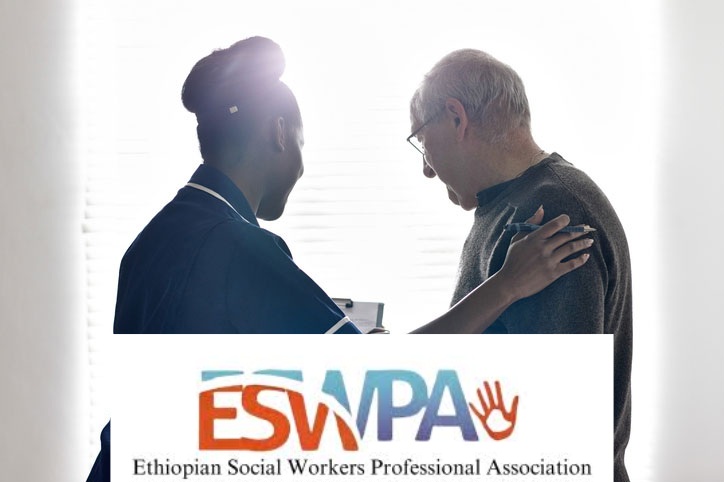
Why Ethiopia Needs "Professional Hospital Social Workers" Now More Than Ever
Health is more than the treatment of disease. It is influenced by social, economic, psychological, cultural, and environmental factors that shape people's well-being. Across the world, social workers are recognized as essential members of multidisciplinary healthcare teams, working alongside physicians, nurses, psychologists, and other professionals to address the social determinants of health.In countries with well-established health systems, hospital social workers play critical roles in:👉 Psychosocial assessment, 👉 Discharge planning, 👉 Patient and family counseling, 👉 Crisis intervention, 👉 Safeguarding vulnerable groups, 👉 Care coordination, 👉 Referral services, 👉 Palliative care support, and 👉 Advocacy for equitable access to healthcare. Their contributions improve treatment adherence, patient outcomes, family functioning, and overall healthcare efficiency.In Ethiopia, however, despite increasing recognition of the importance of holistic healthcare, hospital social work remains largely underdeveloped and lacks a clearly institutionalized career structure within the health system. This gap leaves many patients and families without adequate psychosocial support during some of the most difficult moments of their lives.Every day, hospitals serve children experiencing abuse and neglect, women surviving gender-based violence, patients coping with chronic illness, persons with disabilities, older adults without caregivers, individuals facing mental health challenges, and families struggling with poverty-related barriers to treatment. These are not merely medical issues they are social issues that require professional social work interventions.Recognizing this critical need, the Ethiopian Social Work Professionals Association (ESWPA) has been actively advocating for the establishment of a formal Hospital Social Worker Career Structure within the Ministry of Health system. This effort seeks to institutionalize social work services across healthcare facilities, define professional roles and standards, create employment opportunities for qualified social workers, and strengthen patient-centered care throughout Ethiopia.Institutionalizing hospital social work is not simply about creating positions. It is about ensuring that healthcare becomes more accessible, equitable, compassionate, and responsive to the realities of patients and their families. It is about building a health system that treats the whole person, not just the illness.We commend the Ministry of Health and all stakeholders who have engaged in discussions toward this important reform. At the same time, we call upon;📍the Ministry of Health, 📍regional health bureaus, 📍healthcare institutions, 📍professional associations, 📍academic institutions, 📍development partners, and 📍policymakers to accelerate efforts toward the formal recognition and integration of hospital social workers within Ethiopia's healthcare system.The evidence is clear. The need is urgent. The profession is ready.A stronger health system requires stronger social support systems. The time has come to institutionalize hospital social work in Ethiopia and ensure that every patient receives not only medical care, but also the psychosocial support necessary for recovery, dignity, and #SocialDeterminantsOfHealth #Ethiopia